

31 Ago Exploring the psychology of gambling in casinos
The Allure of Risk and Reward
The psychology of gambling is deeply embedded in human nature, where the allure of risk and reward creates a compelling attraction to casinos. For many individuals, the potential for substantial winnings invokes a sense of euphoria and excitement that is hard to resist. This thrill is often amplified by the uncertainty surrounding each game outcome, as players experience an adrenaline rush when placing bets and waiting to see the results. Furthermore, those looking for a fresh experience can explore new betting sites that offer unique features and innovative games. The anticipation of a win serves as a powerful motivator, making gambling an exhilarating activity for various individuals.
This attraction to risk is not merely a modern phenomenon but is linked to our evolutionary instincts. Early humans frequently faced situations where survival depended on taking calculated risks, whether in hunting or gathering food. This ingrained trait has persisted through generations, and in contemporary society, many people channel this innate drive into gambling. The prospect of quick, life-altering wins encourages individuals to engage in gaming activities, often resulting in repeated visits to casinos, where the promise of excitement and financial reward awaits.
Moreover, the design and atmosphere of casinos are pivotal in enhancing this psychological allure. Bright lights, engaging sounds, and the strategic layout of gaming tables and machines are carefully engineered to create an immersive environment. These elements heighten the thrill of gambling, reinforcing players’ emotions and encouraging them to stay longer and wager more. The interplay of risk, reward, and environmental factors creates a compelling cocktail that keeps gamblers returning for more, often leading to a cycle of engagement that is difficult to break.
The Role of Cognitive Bias in Gambling
Cognitive bias plays a significant role in shaping gambling behavior, as many players fall prey to psychological distortions that skew their decision-making processes. One of the most common cognitive biases in gambling is the «gambler’s fallacy,» where individuals mistakenly believe that previous outcomes will influence future results. For example, a player experiencing a string of losses may convince themselves that a win is «due,» prompting them to continue gambling in hopes of recouping their losses. This kind of flawed thinking often leads to further financial risk and can create a harmful cycle of loss.
Additionally, confirmation bias is another cognitive distortion that affects gamblers. Players tend to focus on instances that affirm their beliefs about successful strategies while ignoring evidence that contradicts them. For instance, if a gambler perceives a particular slot machine as “hot” and consistently paying out, they may overlook the fundamental truth that most machines operate on random number generators, which means past performance does not dictate future outcomes. This selective attention can lead to an inflated sense of skill and understanding regarding the games being played.
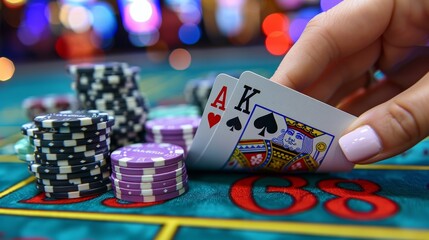
The implications of these cognitive biases can be profound, clouding judgment and rational thinking. Gamblers might make impulsive decisions and chase losses rather than adhering to more strategic, responsible gaming practices. Understanding these cognitive biases is crucial for promoting responsible gambling behaviors and highlights the need for comprehensive education on the psychological aspects of gaming. By recognizing the influence of cognitive biases, players can better navigate their gambling experiences and mitigate the risks associated with problematic behaviors.
The Social Aspects of Gambling
The social environment surrounding casinos significantly enhances the psychological dynamics of gambling. Many individuals find enjoyment in the collective experience of gaming with friends or even strangers, which creates a communal atmosphere that can amplify their engagement. Social interactions in casinos, whether cheering for a fellow player or discussing strategies at the poker table, enhance enjoyment and foster a sense of belonging. This social component encourages people to visit casinos not just for the games but for the camaraderie that accompanies them.
Furthermore, the concept of social proof plays a considerable role in influencing gambling behavior. When individuals witness others winning substantial amounts, they are often motivated to participate, believing that they, too, could achieve similar success. This phenomenon is frequently observed in crowded areas of casinos, where winning players attract attention and generate an environment of excitement. The fear of missing out, coupled with the potential for shared success, often drives individuals to engage in gambling activities more frequently than they might otherwise consider.
However, the social aspects of gambling can also present challenges. The pressure to conform to group behaviors can lead individuals to gamble beyond their means, spurred by a desire to fit in or not appear less adventurous. Recognizing the dual-edged nature of social influences in gambling is essential for individuals to make informed decisions about their participation. By promoting a balanced approach to gaming habits, players can enjoy the social aspects while also maintaining control over their gambling behaviors.
The Impact of Emotions on Gambling Decisions
Emotions play a crucial role in shaping gambling behavior, often leading players to make impulsive choices driven by their current feelings. For instance, excitement and joy can elevate a gambler’s willingness to take risks, while feelings of frustration or sadness may propel them to gamble as a means of emotional escape. This emotional connection to gambling creates a delicate balance where the thrill of winning is often offset by the danger of chasing losses when luck turns against them.

Research has indicated that gambling can activate the same reward pathways in the brain as addictive substances. This neurological response results in feelings of excitement and euphoria during wins but can also lead to despair during losses. The emotional rollercoaster experienced in gambling can further entrench individuals in a cycle of play, where they continually seek that initial high from winning while grappling with the lows of losing, sometimes resulting in problematic gambling behaviors.
Moreover, casinos often exploit these emotional triggers through marketing strategies and game designs. The use of near-misses, for example, can evoke feelings of hope and encourage players to continue wagering. The complex interplay between emotions and gambling is multifaceted; while the euphoria of winning can be highly rewarding, the emotional toll of losses can complicate a player’s relationship with gambling, fostering potential addiction and detrimental financial consequences. Understanding this emotional landscape is vital for promoting healthier gambling behaviors and encouraging players to seek help when needed.
Understanding Responsible Gambling
As awareness of the psychological aspects of gambling continues to grow, so does the emphasis on promoting responsible gambling practices. Educational initiatives are increasingly focused on informing gamblers about the psychological factors that can lead to problematic behaviors, empowering individuals to recognize their limits and make informed choices. Responsible gambling campaigns aim to equip players with knowledge about cognitive biases, emotional triggers, and the social influences that shape their gambling experiences.
In addition to education, various tools and strategies are being implemented to help gamblers maintain control over their activities. Self-exclusion programs, deposit limits, and time management techniques represent just a few examples of how the industry is working to create a safer gambling environment. These initiatives are designed to mitigate the risks associated with gambling, ensuring that individuals can enjoy gaming responsibly and foster a healthier relationship with their habits.
Ultimately, the journey toward understanding the psychology of gambling in casinos is ongoing. As research evolves, it is essential to continue addressing the complex interplay between cognitive, emotional, and social factors. By fostering a culture of awareness and responsibility within the gambling community, we can ensure that the thrill of gaming remains an enjoyable pursuit while minimizing the potential for negative consequences. Engaging with these concepts is crucial for both players and the industry, paving the way for a more informed and responsible gambling landscape.
Sorry, the comment form is closed at this time.